





Specific heat capacity
The term ‘specific heat’ (or specific heat capacity) refers to the heat energy per unit mass (typically 1 kg) required to raise the temperature of a substance by one degree Celsius.
The formula for specific heat: q=mc(Tf-Ti)
The higher the specific heat capacity of a substance, the more energy is required to raise its temperature.
Specific heat capacity (c) in J (joules) / kg °C can be calculated as:
c = E/m θ
Where:
- E is the energy transfer in J.
- m is the mass of the substances in kg.
- θ is the temperature change in °C.
Some examples of the specific heat capacities of different substances are listed below:
- Aluminum 902 J/kg°C
- Copper 385 J/kg°C
- Gold 129 J/kg°C
- Iron 450 J/kg°C
- Lead 128 J/kg°C
- NaCl 864 J/kg°C
- Oxygen 918 J/kg°C
- Water 4181 J/kg°C
- Brick / block: 840 J/kg°C
- Concrete: 880 J/kg°C
- Marble: 880 J/kg°C
- Steel: 420 J/kg°C
- Timber: 1200 J/kg°C
Specific heat capacity is one of the properties that contributes to the thermal mass of a material, that is, how much heat it can store. Water, which has a very high specific heat capacity, is very effective at storing heat.
[edit] Related articles on Designing Buildings Wiki
Featured articles
Check out some of the best features and news from Designing Buildings as well as key stories from around the web.

Building Safety Newsletter from MHCLG.

An extraordinary record of steel engineering worldwide.
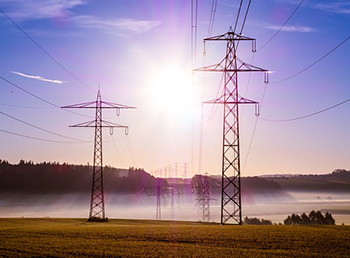
Households living near new pylons to save on bills.

ECA warns growth must not outpace grid capacity or skills.
The role of the client and decision making

CIOB response to built environment professions call for evidence.
Construction's sustainability reporting revolution

Tracking upfront embodied carbon with digital tools.
ECA welcomes procurement reforms

Public spending must back British jobs and skills.
Campaigning for Edinburgh: the Cockburn Association 1875-2049

The role of the civic voice in protecting character. Book review.

CIOB photography competition is open for entries.
ECA Edmundson apprentice of the year award

Finalists announced.
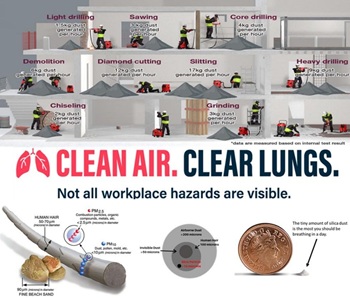
Major new study exposes serious knowledge gaps.
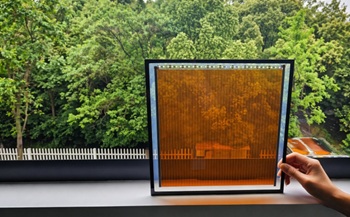
Generating energy from internal light as well as sunshine.